
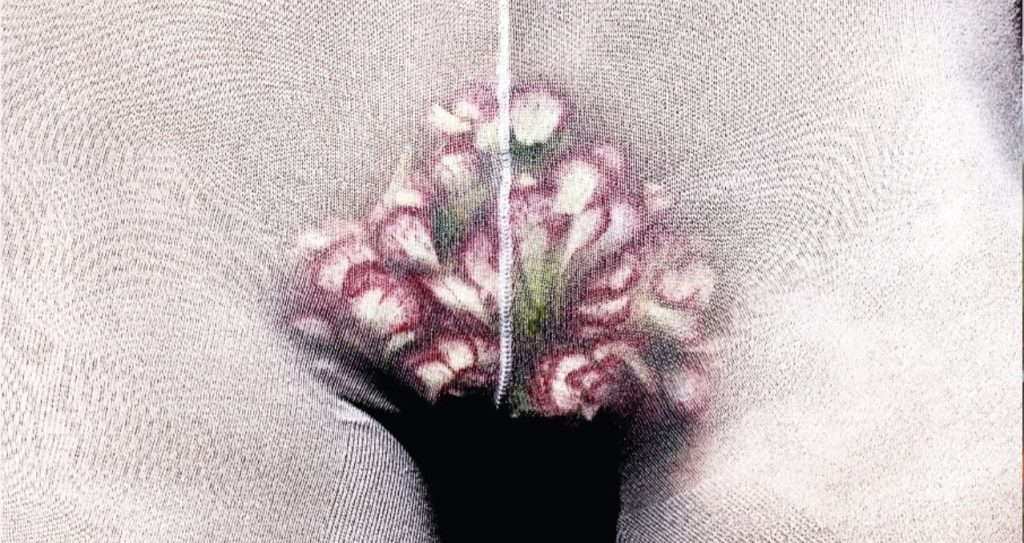
For decades, grooming trends have come and gone, often shaped by fashion, media, and shifting beauty standards. From the completely natural looks of the 1970s to the bare trends of the early 2000s, pubic hair has reflected broader cultural attitudes about femininity and control. Now, the conversation is shifting once again. The vagina bush is back — and it’s less about shock value and more about choice.
In the late 1990s and early 2000s, hair removal became widely normalized. Influenced by pop culture, adult media, and evolving swimwear styles, many felt pressure to remove everything. Salons promoted Brazilian waxing as the gold standard, and smooth skin was marketed as cleaner or more desirable. But over time, many began questioning why one specific look became the default.
Today, more people are embracing their natural bodies without apology. Social media has played a role in opening conversations around body autonomy, personal comfort, and self-expression. The return of natural pubic hair isn’t about rejecting grooming altogether — it’s about removing shame. Some trim, some wax, some grow it fully. The key difference is intention: it’s personal, not performative.
This shift aligns with broader body positivity and feminist conversations. Choosing to grow pubic hair can be a quiet statement against rigid beauty expectations. It can also simply be practical — less irritation, fewer ingrown hairs, and reduced maintenance.
Importantly, there is no “correct” grooming style. Cleanliness is about hygiene, not hair removal. Confidence doesn’t depend on conformity. The real trend isn’t the bush itself — it’s autonomy.
In the end, the vagina bush being “back” symbolizes something bigger: freedom. Freedom to groom, or not groom, in whatever way feels comfortable. And that kind of confidence never goes out of style.