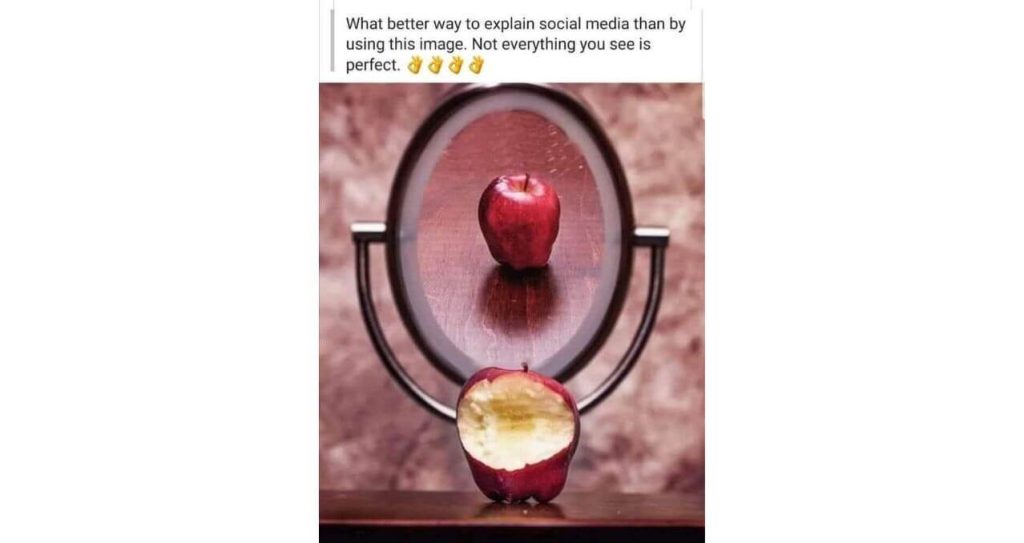
Scroll through social media for just a few minutes and it can feel like everyone else is living a flawless life. Perfect vacations, perfect bodies, perfect relationships, constant success. It’s easy to forget that what we’re seeing isn’t reality—it’s a carefully curated highlight reel.
Social media platforms are designed to showcase the best moments, not the full story.
People post celebrations, achievements, and filtered smiles, while stress, loneliness, failure, and doubt are kept off-screen. This creates a powerful illusion: that happiness is constant and problems are rare. Over time, comparing our behind-the-scenes struggles to someone else’s edited moments can quietly damage our self-esteem.
The pressure to appear “perfect” doesn’t just affect viewers—it affects creators too. Many people feel compelled to present a polished version of themselves, even when they’re struggling. Admitting vulnerability can feel risky in a space that rewards likes, validation, and perfection. As a result, authenticity is often replaced with performance.
This false narrative can lead to anxiety, burnout, and a sense that we’re falling behind in life. We may start to believe that something is wrong with us because our lives don’t look like what we see online. But real life has messy moments, quiet days, setbacks, and uncertainty—and that’s normal.
Recognizing the lie is the first step toward breaking its power. Social media isn’t inherently bad, but it shouldn’t be mistaken for truth. By reminding ourselves that every post is selective, we can stop comparing and start reconnecting with reality. Real life isn’t perfect—and it was never meant to be.